

The construction industry continues to exert significant pressure on natural resources while generating substantial amounts of waste. For decades, building production has largely followed a linear model in which materials are extracted, processed, used, and eventually discarded. This model is increasingly questioned not only for its environmental impact but also for its long-term inefficiency. According to the United Nations Environment Programme [1], urban waste generation is expected to rise considerably by 2050, while data from the European Union indicate that the construction sector remains one of the major contributors to both waste production and carbon emissions [2]. These trends point to a structural issue that calls for a fundamental reconsideration of how materials are used and circulated within the built environment.
In response, the circular economy has emerged as a key framework for rethinking material flows in construction, rather than treating materials as disposable. Circular approaches seek to keep them in use for as long as possible through strategies such as reuse, repair, and recycling [3]. Within this context, adaptive reuse has gained relevance as a strategy that extends the lifecycle of buildings and reduces material waste. Beyond its practical implications, recent research has also emphasised its potential to inform more design-oriented approaches, while highlighting conceptual and methodological gaps that remain insufficiently addressed in architectural discourse [4].
Parallel to these developments, the concept of the bioeconomy has encouraged the use of renewable, biologically derived materials as alternatives to fossil-based resources [2]. More recently, these perspectives have begun to converge under the notion of biocircularity, which integrates bio-based materials into circular production systems. Materials such as timber, bamboo, hemp, flax fibres, and mycelium are increasingly explored within this framework due to their low environmental impact and potential for carbon sequestration [5]. In architectural research, biomimetic approaches further contribute to this discussion by demonstrating how nature-inspired design strategies can enhance environmental performance and support climate-responsive design solutions [6]. These approaches shift the focus from material substitution alone toward a more integrated understanding of material behaviour, environmental responsiveness, and design intent.
At the same time, advances in digital design and fabrication technologies have begun to reshape architectural practice. Computational design, parametric modelling, robotic fabrication, and additive manufacturing have expanded not only how buildings are produced but also how they are conceived. Earlier work by Oxman [7], Menges [8], and Gramazio and Kohler [9] has shown that material behaviour can be directly embedded into design processes, allowing geometry, fabrication, and material performance to be addressed simultaneously. In this sense, digital technologies do not merely increase efficiency; they also contribute to a shift in design thinking, in which material properties, production constraints, and environmental considerations increasingly inform decisions.
Despite these developments, research on circular construction, bio-based materials, and digital design and fabrication has largely evolved along separate trajectories. Studies on digital technologies tend to focus on production processes and optimization, while research on bio-based materials is often framed in terms of material performance and engineering properties. Circular economy research, on the other hand, often focuses on policy frameworks or production systems. As a result, the interaction among these domains-and its implications for architectural design processes-remains insufficiently explored.
This fragmentation reflects not only a methodological gap but also a disciplinary one. The field is still largely shaped by materials science and engineering, while architectural concerns such as design logic, spatial decision-making, and lifecycle-oriented design thinking remain less visible. Addressing this gap requires moving beyond isolated approaches and examining how material systems, digital tools, and circular strategies can be understood as interconnected components of architectural design.
In response to this need, this study examines the intersection of these domains through a combined bibliometric and content analysis of 1,375 publications indexed in the Web of Science Core Collection between 2006 and 2025. The analysis is complemented by an architectural interpretation that focuses on how these developments are reflected in design-oriented research. Based on this approach, the study proposes the concept of a Digital Biocircular Design Paradigm, understood as an emerging condition in which bio-based materials, digital design and fabrication, and circular strategies are integrated within architectural design processes. In this context, material cycles, production logic, and environmental considerations are no longer treated as separate concerns but become integral to how architectural decisions are formulated.
To this end, the study addresses the following research questions:
This study aims to identify research trends at the intersection of digital design and manufacturing technologies and biocircular construction approaches, from both quantitative and architectural perspectives, using bibliometric and thematic analysis methods. While mapping the structure of the research area, this approach also reveals how it manifests in architectural design processes. The methodology of the study involves data collection and search strategy, screening and data refinement, bibliometric analysis, thematic analysis, content analysis and analytical framework.
The Web of Science (WoS) Core Collection database, which includes a wide range of comprehensive, high-quality scientific publications, was used in the research dataset. Thanks to its well-organised dataset, large-scale bibliometric analysis is possible. It should also be emphasised that design-related architectural publications published on alternative platforms may not always be accessible.
Three conceptual domains were used as the basis for developing the search strategy: (i) digital design and fabrication, (ii) circularity/biocircularity, and (iii) bio-based and recycled materials. The generated Boolean search logic was applied to titles, abstracts and keywords.
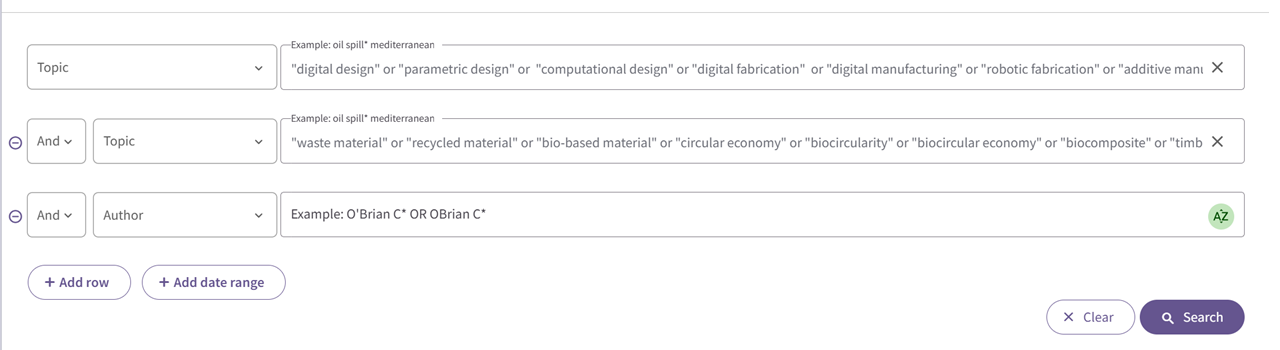
Boolean keyword combinations were developed using the following keywords: TS= ((“digital design” OR “parametric design” OR “computational design” OR “digital fabrication” OR “robotic fabrication” OR “additive manufacturing” OR “3D printing”) AND TS= (“waste material” OR “recycled material” OR “bio-based material” OR “circular economy” OR “biocircularity” OR “biocircular economy” OR “biocomposite” OR “timber” OR “bamboo” OR “hemp” OR “mycelium”)) (Figure 1).
The initial dataset consists of 1800 records retrieved from Web of Science. The data refinement process from the initial data was carried out to assess the suitability and eligibility of the research data for bibliometrics and content analysis. Publications outside the 2006–2025 time frame (n = 70), non-English publications (n = 20), non-article document types such as conference papers, book chapters, and editorials (n = 307), and studies not related to the research field (n = 28) were excluded. Studies unrelated to the built environment were considered outside the scope. Following this process, a total of 1375 publications were retained. A detailed summary of the screening and exclusion process is presented in Table 1.
Table 1. Data exclusion process
| Category | Number of Records | Explanation |
|---|---|---|
| Initial dataset (WoS) | 1800 | All retrieved publications |
| Time frame | 70 | Publications outside 2006-2025 |
| Non-English publications | 20 | German, Chinese, Russian, Italian, Portuguese and Spanish |
| Non-article documents | 307 | Conference, book chapter, editor’s note, Data publication, etc. |
| Irrelevant research area | 28 | Dentistry, Oral Surgery, Medicine, Pharmacology, Pharmacy, General Internal Medicine, Telecommunications, Information Science, Library Science, Life Sciences, Biomedicine, Other Topics, Nutrition, Dietetics, Plant Sciences, Toxicology, Electrochemistry, etc. |
| Final Analysis Set | 1375 | Included for bibliometric analysis |
The bibliometric analysis was conducted using the Bibliometrix R package and its Biblioshiny interface [10]. The following parameters were evaluated in the analysis process:
The aim of evaluating these parameters was to uncover the thematic interaction between biocircularity and digital design/manufacturing technologies and to map the knowledge network in this research field. These analysis results were not interpreted solely descriptively. The key to interpreting these results is how they reveal an extensive transformation in architectural design thinking, materials, and production logic.
The field’s detailed conceptual structure was revealed through thematic mapping. In this approach, which is based on keyword co-occurrence data, the Walktrap algorithm was used for community detection. By identifying clusters of related terms using this algorithm, themes are classified by centrality and development. Dominant, emerging, basic, and niche themes can be distinguished using this classification. This analysis identified a sub-field related to biocircularity. A temporal analysis was also conducted to reveal the development trends of these themes over the years.
Since bibliometric analysis does not adequately show how the research area is reflected in the architectural design practices, a content analysis has been included in the study. This analysis consisted of architecture-oriented studies that expanded on additional studies from the CumInCAD database. The selection of 13 architecture-focused studies was based on (i) their relation to intersection circular design techniques, bio-based materials, and digital fabrication; (ii) compatibility with the thematic clusters; and (iii) their potential to make a conceptual contribution to architecture. Quantitative findings from bibliometrics are supported by this qualitative approach, which shows how research trends are embodied in architectural design.
The results of bibliometric and content results were evaluated through an architectural lens according to the following three interrelated basic concepts: (i) bio-based materials, (ii) circularity, (iii) digital design/fabrication technologies (Figure 2).
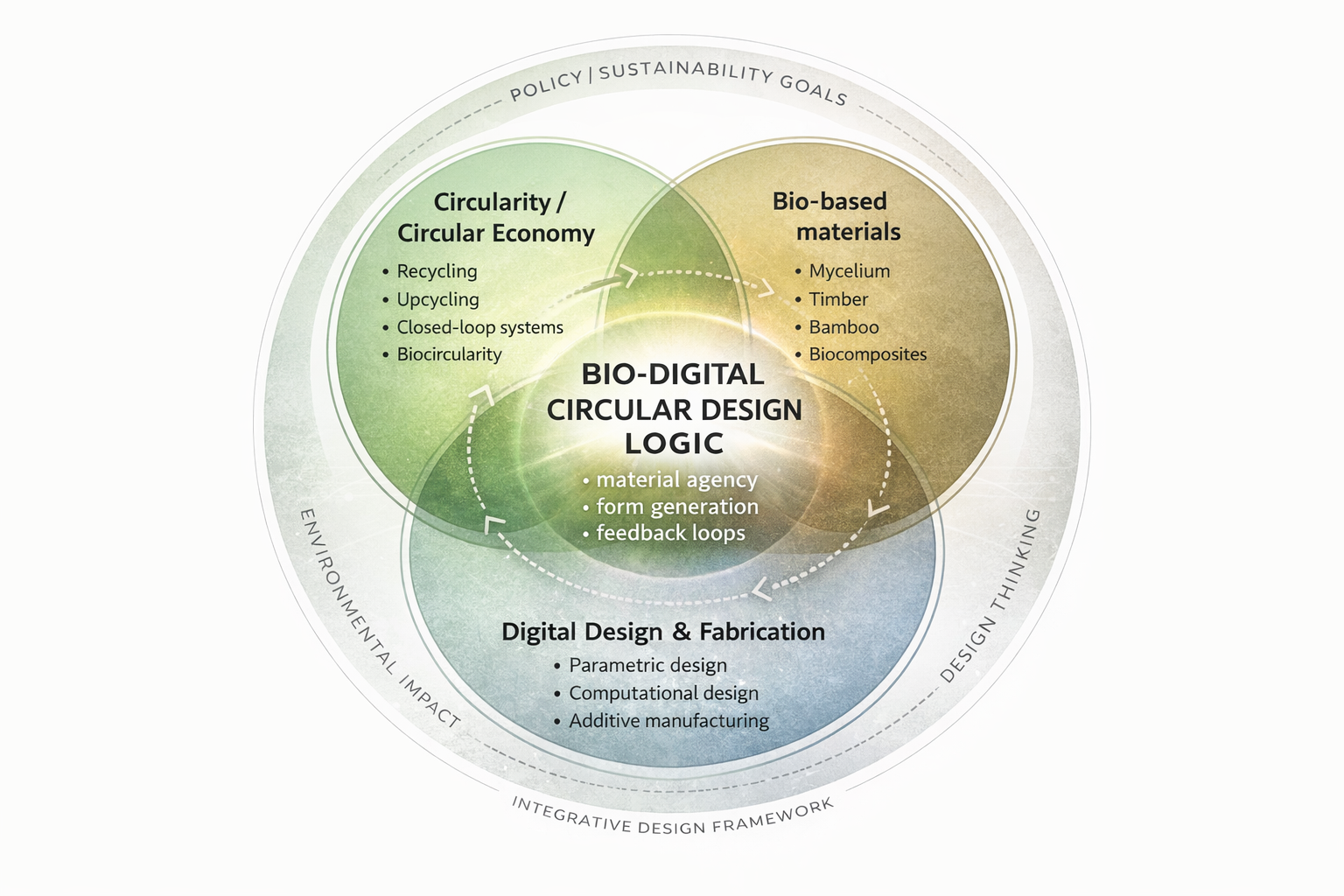
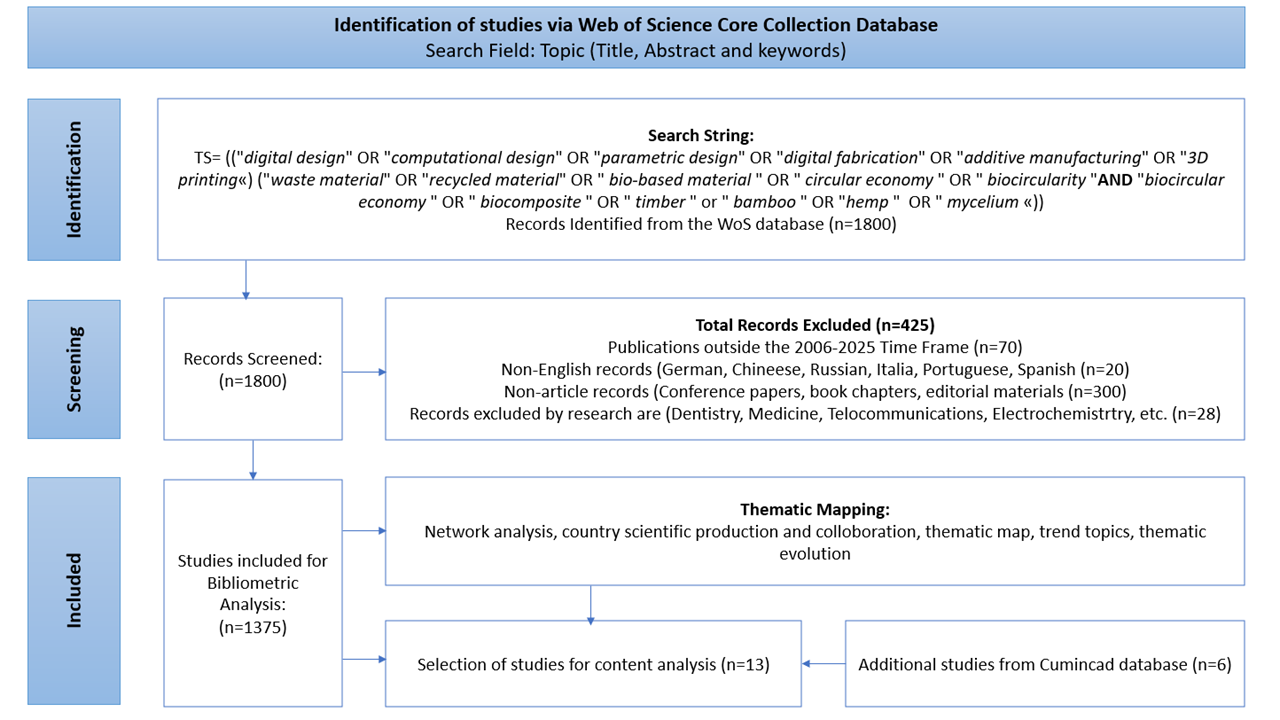
The interaction between these three fundamental concepts reveals a new design condition. This condition is conceptualised in this study as the ‘Digital Biocircular Design Paradigm’, which is derived from the combination of quantitative analysis and qualitative interpretation. The flowchart of the study, which includes keyword identification, screening, data refinement, and publications for bibliometric and content analysis, is shown in Figure 3.
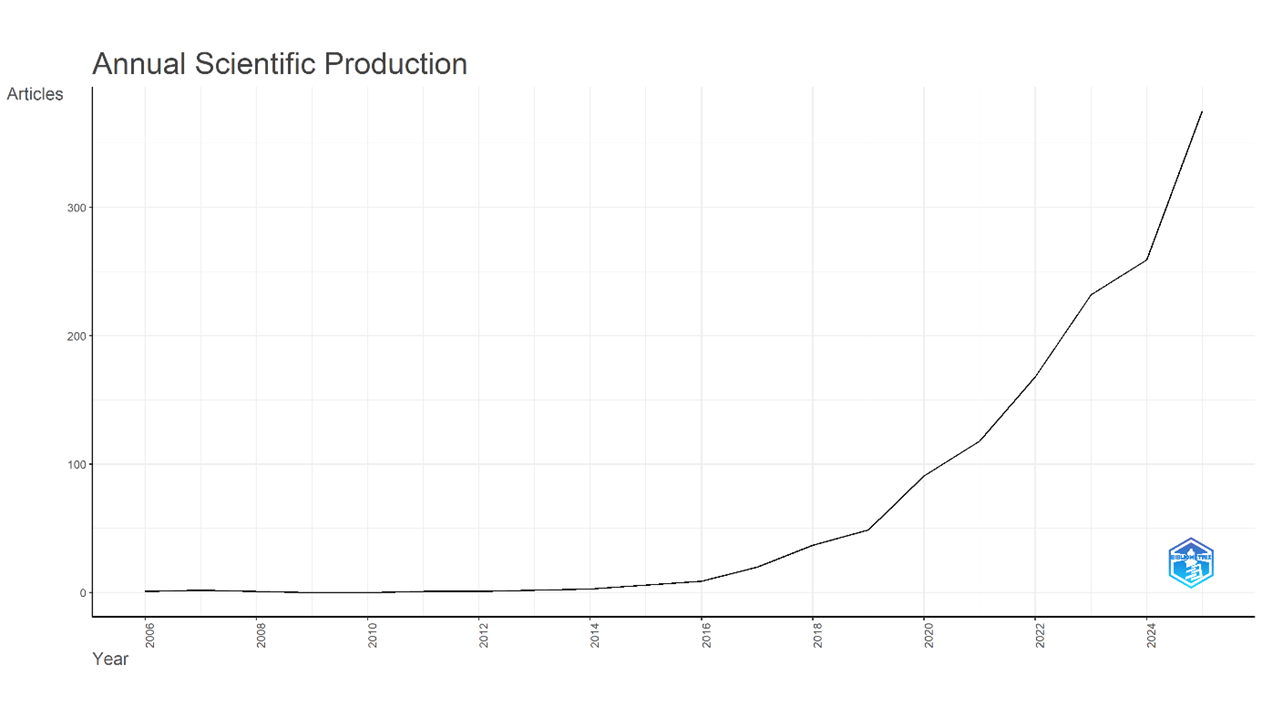
The 1375 articles analysed cover the years 2006–2025. When the number of publications by year is examined, a significant upward trend has been observed since 2016 (Figure 4). After 2020, the number of publications increased rapidly, especially with the prominence of “digital production,” “3D printing,” and “bio-based materials” themes. As of 2024, the annual increase rate in this field has been calculated as 36.61%. The analysis indicates that the biocircular approach has rapidly become a growing research area in architecture and engineering.
According to the Web of Science classification, the highest publication density is concentrated in the fields of Materials Science – Multidisciplinary (358 articles), Polymer Science (196), Green and Sustainable Technology (176), Environmental Sciences (150), and Civil Engineering (144). This distribution highlights that the subject is addressed not only from a materials technology and production perspective but also from an environmental sustainability perspective.
A total of 467 different scientific journals were identified. The top five journals with the most publications:
This indicates that the research area is strongly represented in journals covering materials science, architecture, and sustainability.
In the dataset containing 5535 authors, the most prolific researchers were identified as Menges (19 publications), Pearce (17), Levi (14), Weianand (13), and Knippers (12). At the institutional level, the institutions with the highest number of publications were the University of Stuttgart (62), the ETH Domain – Swiss Federal Institutes of Technology (53), the Texas A&M University System (39), and the Centre National de la Recherche Scientifique (CNRS) (38). Most of these institutions are pioneers in digital manufacturing and research on bio-based materials.
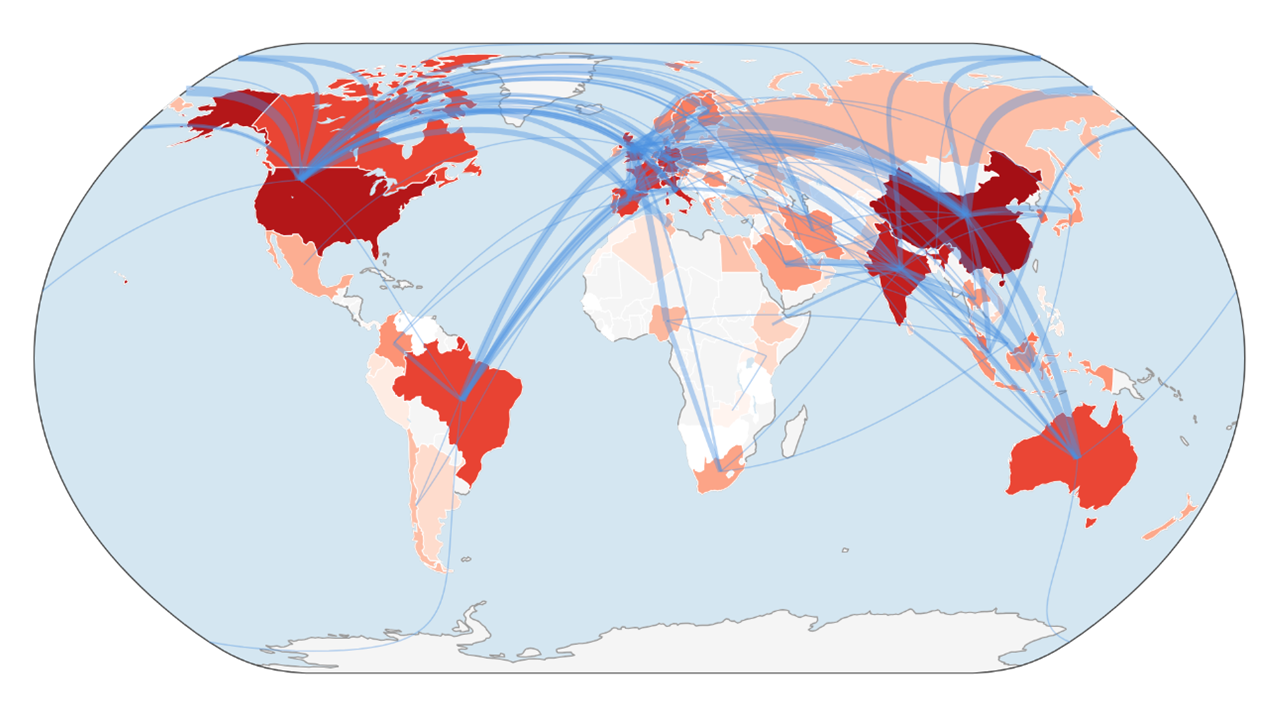
China (527), the United States (441), India (278), Italy (224), Germany (219), and the United Kingdom (219) are at the top of the list of countries by publication output (Figure 5). When the map of international collaborations is examined, intense scientific partnerships are seen along the US-China-Canada line. On the European continent, it has been observed that thematic networks between Italy, Spain, and the Netherlands have strengthened. The findings suggest that the field of biocircular design has become a global collaborative research area.
According to the keyword co-occurrence analysis, the five most frequently used concepts are “3D printing” (415), “additive manufacturing” (340), “circular economy” (340), “mechanical properties” (236), and “sustainability” (168). These results reveal that digital manufacturing technologies are examined in the context of material behaviour and sustainability, thereby creating a strong intersection between engineering and architecture.
The thematic map (Figure 6), based on the author’s keywords, revealed four main clusters:
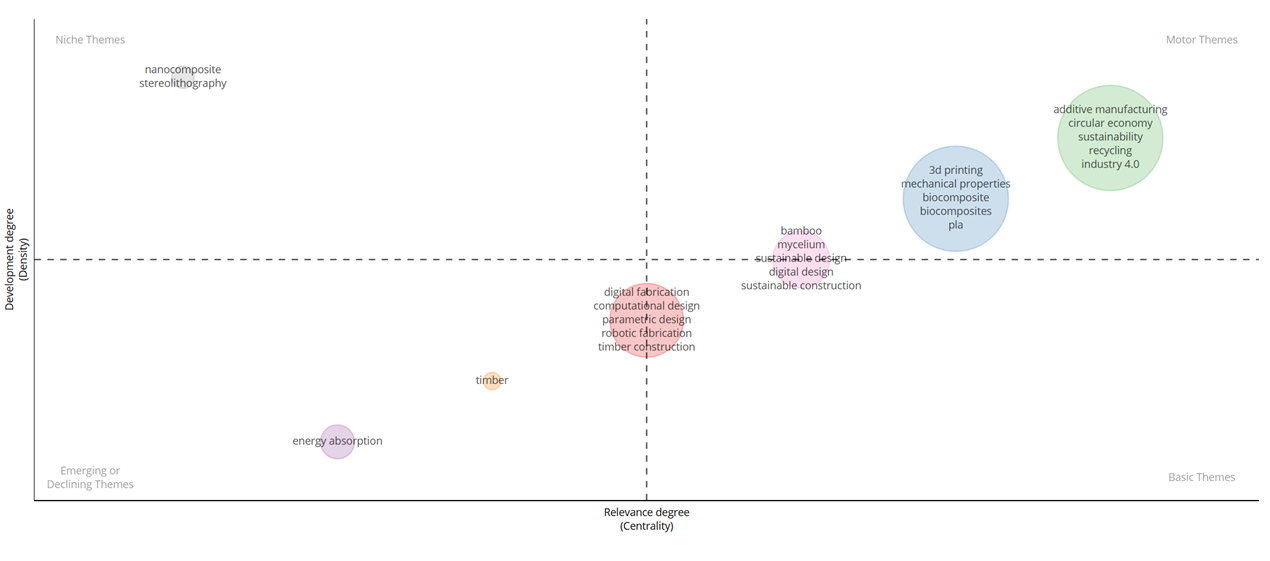
In the thematic map, “bamboo, mycelium, sustainable design, and digital design” are positioned at the intersection of basic and motor themes. This suggests that bamboo and mycelium are increasingly integrated into digitally driven bio-fabrication systems. They are beginning to be integrated within the framework of digital production processes and performance-oriented architectural systems. For instance, recent studies demonstrate that mycelium research is closely linked to parametric form generation [11], additive manufacturing, and biomaterial development, aligning it with circular construction paradigms [12] rather than focusing exclusively on isolated mechanical properties.
In relation to digital manufacturing and bio-based materials, “3D printing”, “mechanical properties”, “biocomposite”, and “PLA (bioplastic)” constitute the emerging theme of the field as well as a well-developed and discussed theme. Another cluster of the emerging themes includes the “additive manufacturing”, “circular economy”, “sustainability” and “recycling”. Generally, the mechanical properties and applicability of biocomposites containing natural fillers in different 3D printing techniques are a key area of discussion in the literature [13–17]. Research on the mechanical and physical properties of biomaterials in the additive manufacturing industry also sheds light on how bioplastic materials can be used structurally [18].
The focus on motor themes such as “additive manufacturing”, “circular economy,” “3D printing,” and “sustainability, recycling, and Industry 4.0” highlights the emergence of digital manufacturing as a driving force in the sustainability transition. In this context, the relationship between additive manufacturing processes and circular economy and sustainability issues is gaining increasing importance [19]. Additive manufacturing and robotic methods are becoming increasingly prominent in reducing waste and emissions, while also improving the circular economy [20].
Integrating digital manufacturing methods into the design process for new materials and construction systems provides students with a novel learning experience by considering issues such as sustainable materials and recycling [21]. Integrating tools such as 3D printing into architectural education encourages students to think creatively [22] and to produce innovative solutions in collaboration with other disciplines [23], offering a new perspective that combines theory and practice in the education sector.
The use of digital technologies such as “Additive Manufacturing” in the construction sector offers lower costs, faster scaling, stronger structures, new shapes and design potentials, and the possibility of producing with environmentally friendly materials through the use of sustainable biomaterials compared to traditional production [24]. These technologies enable the minimisation of waste generation, resource consumption, and emissions in the construction sector [25].
The integration of Industry 4.0 tools, which are seen to be reshaping this field, with the circular economy and their potential to increase resource circularity constitutes a prominent discussion agenda in the literature [26–28]. The use of AI-powered decision support mechanisms in the construction sector can play a critical role in achieving systemic circularity [29].
In conclusion, motor themes highlight the transformative aspect of biocircular design in both educational and production practices.
In contrast to motor themes, niche themes such as nanocomposites and stereolithography (a bioprinting method) highlight more specialised material research directions in the field. These themes demonstrate the deepening of biocircular design research into highly specialised, laboratory-based fields such as materials science and biotechnology. Studies linking structural performance with this material research reveal the expansion of advanced material approaches towards engineering and architectural scales [15].
The emerging themes of ‘timber’ can be attributed to the replacement of traditional wood-based approaches with new materials, such as bio-based polymers and biocomposites, integrated into digital design/production processes. The timber theme is becoming a more limited, application-oriented research area in the literature, revisited in the context of robotic and CNC-based production techniques [30, 31]. The relative decline of timber and the emergence of other bio-material themes such as bamboo and mycelium, together with sustainable and digital design concepts, can be attributed to the evolution of sustainable design toward a framework increasingly aligned with circularity and digitally driven production processes. Therefore, in the current literature, the biocircular approach is associated with a research area that goes beyond the general design approach and is being reshaped within the context of digital production processes. The other emerging theme, the “energy absorption” cluster, mainly focuses on bio-inspired lightweight and auxetic structures, emphasising mechanical performance rather than construction-scale systems. Its peripheral position suggests that performance-oriented, bio-inspired research has not yet been fully integrated into circular, digitally driven production frameworks in construction.
The central focus of the bridging themes, such as “digital fabrication, parametric design, computational design, and robotic fabrication,” demonstrates that digital methods, which integrate production and design processes, possess an interdisciplinary unifying power in the field of biocircular research. Digital methods enable integrating biomaterial data and circular design goals into these processes.
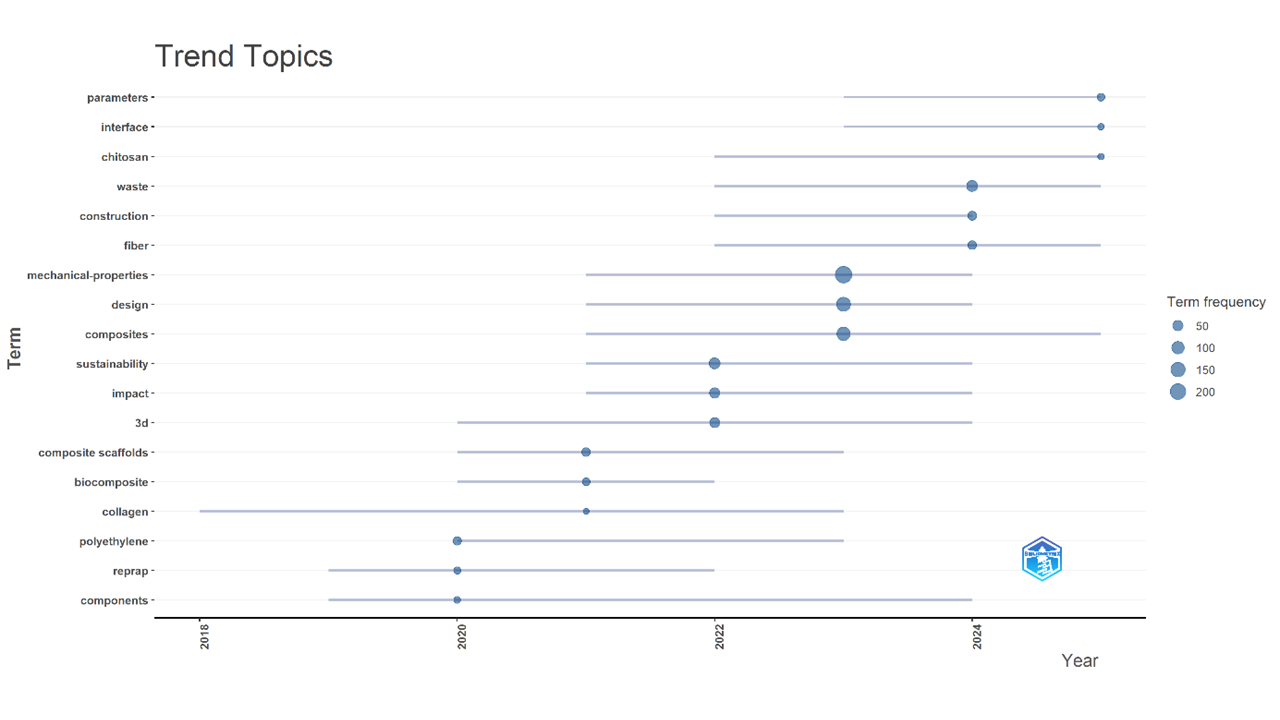
An analysis of “trend topics” indicates that the main emerging themes after 2020 are “mechanical performance,” “recycled composites,” “design optimisation,” “biocomposites,” “digital fabrication workflows,” “sustainability,” and “impact” (Figure 7). This trend suggests that digital tools are becoming increasingly decisive not only in production but also in design decision-making processes for biocircular building construction. The emergence of “design optimisation” and “digital fabrication workflows” as trending topics indicates that biocircularity is increasingly shaping architectural design logic. The emergence of “impact” as another trending topic highlights the growing impact of biocircularity on society, the economy, and the environment in architecture. These impacts are manifested through the development of new educational programs, policy initiatives, and interdisciplinary collaboration. The emergence of “sustainability” as another prominent concept highlights that biocircularity stands out as an approach that transforms the understanding of sustainability in architecture.
The thematic evolution graph created with Bibliometrix is divided into three distinct periods based on author keywords (Figure 8). The first period is defined as 2006–2015, when no significant increase in publication volume was observed; the second period is defined as 2016–2020, when the first conceptual themes related to biocircularity began to emerge; and the third period is defined as 2021–2025, when a significant increase in publication volume is observed.
In the second period (2016–2020), the prominent keywords were “3D printing” (165) and “additive manufacturing” (207). In contrast, the concepts of “digital fabrication” (38), “parametric design” (13), “bamboo”(10), “computational design” (7), “bio-materials” (5), and “robotic fabrication” (3) were used less frequently. However, they emerged as supporting terms contributing to the formation of the thematic structure.
In the third period (2021–2025), the keywords “3D printing” (1519), “additive manufacturing” (1111), “circular economy” (663), “digital fabrication” (159) and “computational design” (103) are seen to have strengthened further by relating to the conceptual themes of the previous periods. This analysis indicates that a broader thematic network has been formed, revealing the unifying power of biocircularity in the field and integrating research trends.
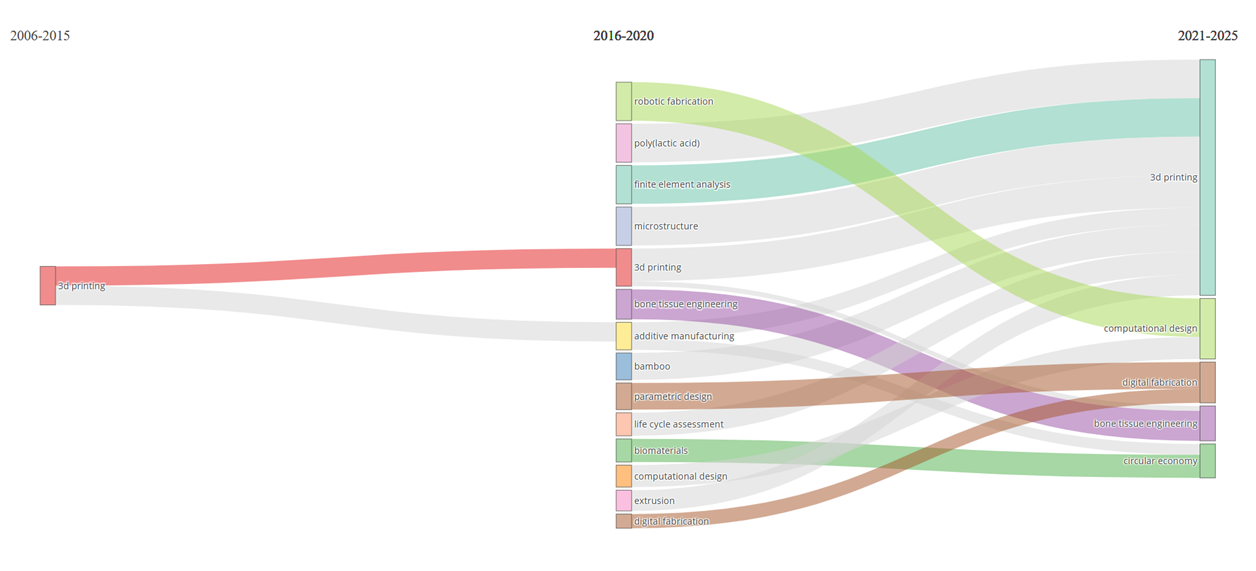
Table 2. Examination of publications in the field of architecture
| Publication | Material | Digital Method | Thematic Contribution |
|---|---|---|---|
| Reuse of irregular lumber through 3D scanning and parametric modelling techniques [32] | Reclaimed wood | 3D scanning, parametric modelling, and algorithmic matching methods | Digital reuse |
| Optimising the reuse of salvaged timber components through algorithmic matching methods that minimise embodied emissions and improve design efficiency [33] | Reclaimed wood | 3D scanning, parametric modelling, and algorithmic matching methods | Digital reuse |
| Bamboo Digital Construction Workflow integrates traditional bamboo craftsmanship with advanced digital methods, including 3D scanning, parametric modelling, and robot-assisted fabrication [34] | Bamboo | Parametric modelling, robotic fabrication | Parametric bio-design |
| Parametric Arch Structure Using Mycelium Bio-Composites [11] | Mycelium, local waste | Parametric modelling, robotic fabrication | Parametric bio-design |
| Willow–Earth Hybrid Structure developed by Casalnuovo et al. [35], showcasing a digitally optimised bio-composite structure composed of willow branches and earthen material | Willow, earth | Parametric modelling, robotic formwork | Hybrid digital bio-composite design |
| The integration of bacterial cellulose-based composites into the computational form-finding tools [36] | Bacterial cellulose-based composites | Computational design | Mechanically informed parametric bio-design |
| Tilted arch that integrates mycelium-based composites with bio-welding through AM [12] | Mycelium, local waste, wood-based bio-composite | Robotic fabrication | Robotic bio-composite fabrication |
| BioForms Wall System illustrating the fabrication of biodegradable wall panels from mycelium and local waste combined with wood-based PLA material [37] | Mycelium, local waste, wood-based bio-composite | Robotic fabrication | Robotic bio-composite fabrication |
| The Z Brick System utilises augmented reality (AR)-assisted digital fabrication to transform reclaimed wood into modular, curved wall structures [38] | Reclaimed wood | AR, parametric modelling, robotic fabrication, 3D printing | AR-assisted digital reuse & upcycling |
| Repurposing of wood waste into furniture through an integrated approach combining digital technologies and artificial intelligence [39] | Reclaimed wood, offcuts | 3D scanning, iterative computational design, digital fabrication | Digital upcycling |
| Upcycled Wood Systems workflow proposed by Zanetti et al. [40], converting small-scale wood waste into new structural systems through computational optimisation | Reclaimed wood, offcuts | 3D scanning, iterative computational design, digital fabrication | Digital upcycling |
| A pavilion-like installation proposes a circular timber construction, repurposing of timber through computational design and digital fabrication method [41] | Reclaimed wood, offcuts | 3D scanning, iterative computational design, digital fabrication | Digital upcycling |
The quantitative findings were further elaborated through content analysis to examine how biocircular research is operationalised within architectural design practice. While the Web of Science (WoS) database was employed to ensure a standardised, high-impact dataset for the bibliometric analysis, the CumInCAD database was also incorporated into the content analysis using the same search strategy to capture design- and architecture-oriented studies more effectively.
13 studies were selected for the content analysis (Table 2). There are two main criteria for the selection of the studies: (i) the intersection of the three main concepts forming the conceptual basis of the study, as digital design/fabrication, bio-based materials and circular design concepts, and (ii) their compatibility with the thematic clusters identified in the study. Each of these studies, covering the years 2021 to 2024, was classified according to thematic areas within the scope of bio-circular construction and digital design and manufacturing research.
The analysis of these 12 studies reveals six thematic categories: digital reuse, digital upcycling, parametric bio-design, hybrid bio-composite systems, robotic bio-composite fabrication, and AR-assisted digital reuse and digital upcycling. To explain how bio-based materials are integrated into digital design and production processes through circular strategies, a brief description of each study is included in Table 2.
According to the chronological reading of the selected studies, a clear evolution emerges between 2021 and 2024, from early explorations focused primarily on material reuse to more advanced, fully digitised biocomposite systems. As illustrated in Table 2, research on bio-based materials has progressively moved beyond laboratory-scale experimentation and, through the integration of digital fabrication technologies, has reached architectural prototype and building-scale applications. This transition highlights a critical shift from experimental material studies to design-integrated, implementation-oriented architectural practices.
The findings of this study revealed an increasingly strong relationship among bio-based materials, digital design/manufacturing technologies, and circular construction themes after 2020. This increase in publications underscores that the recent search for sustainable building production in the construction industry is part of a broader transformation. While the research field broadly focuses on materials science and engineering, an architectural perspective is relatively limited.
The most developed research theme, such as mechanical properties and material performance, also reflects this technically focused perspective. Accordingly, digital manufacturing technologies have mostly been discussed in the context of production efficiency or building performance. In contrast, the discussion of architectural issues, such as the inclusion of materials in the design process, spatial arrangement, and the approach to architectural design thinking, has received relatively less attention.
On the other hand, the study’s findings indicate a significant shift as digital tools take on a new role in the application of bio-based material systems. As a result of the findings, it has been revealed that materials have become an integral part of the design process, as evidenced by themes such as material-informed design, bio-based composite systems, and digital upcycling and reuse systems. In this context, it has been revealed that these technologies have contributed to the development of new design strategies for circular building production. In particular, robotic and additive manufacturing techniques enable the use of irregular or recycled materials in new building systems. This emphasises that these digital techniques, which were previously difficult to integrate into the design process, offer new potential for the architect. It also demonstrates the need for a deeper, integrated approach to design and production processes, and reveals a reshaping of the relationship between material systems and form.
This result suggests that architecture is no longer a static process that prioritises form and centres the designer, but rather a dynamic process that incorporates many factors such as the nature of the material, the possibilities of production technologies, and environmental considerations. Thus, this kind of design thinking redefines form as a phenomenon that emerges from the interaction of these multifactorial processes.
These developments in digital design and production technologies also make it possible to think about design not just at a single scale, but within a holistic thought system encompassing material composition and spatial arrangement. The production logic and the designer’s intention become unified in this kind of system.
These findings also align with the prominent material-oriented design approaches in the architectural literature. Studies, particularly those by Menges [8], Oxman [7], and Gramazio and Kohler [9], demonstrate that material behaviour is increasingly integrated into the design process, with digital tools enabling its exploration, simulation, and fabrication. This study deals with this foundation in a broader context and reframes it within the context of circularity and bio-based systems.
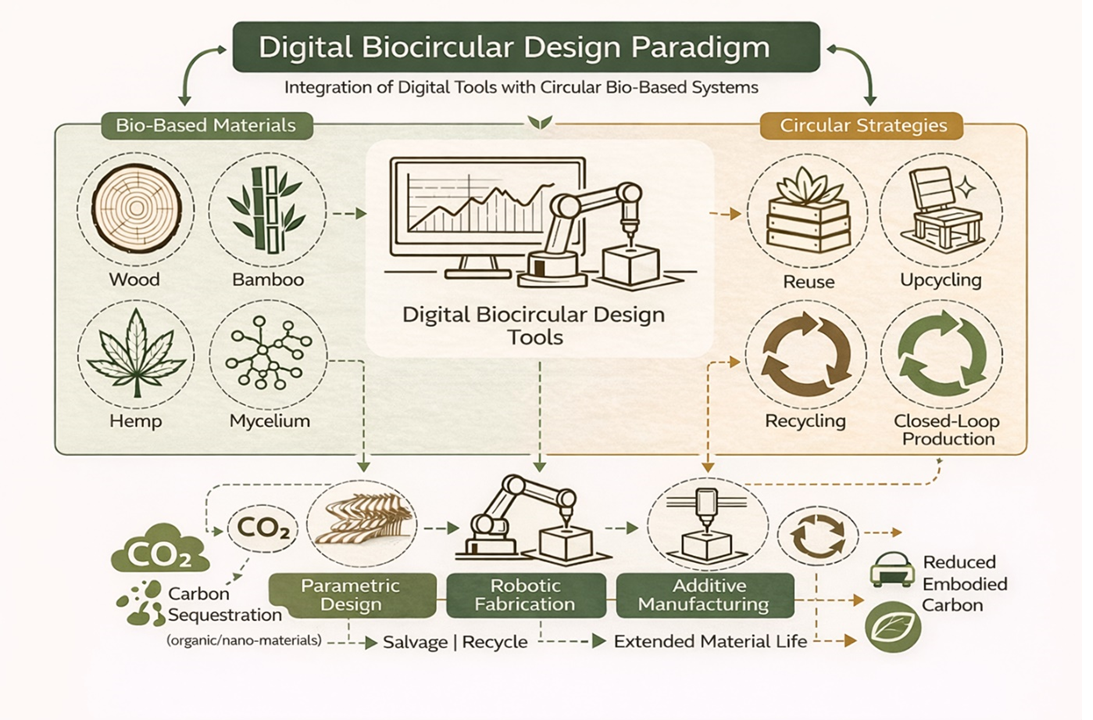
Based on the findings of this study, the proposed framework of a Digital Biocircular Design Paradigm (Figure 9) explains a significant shift in which the interaction between digital production technologies and biocircular material systems shapes architectural design. This approach considers the design process not only as form production but also as a system for managing material cycles. It enables renewable building production systems, in which digital technologies act as intermediaries between material resources and circular strategies. In this paradigm, material behaviour, production logic, and life-cycle factors directly impact the spatial articulation and organisation. The architect now plays a guiding role among these factors, adopting a material-focused, environmentally conscious approach to architectural practice.
This study examined the relationship between digital design/production technologies and the production of biocircular structures using a bibliometric and thematic analysis method. This study aimed to reveal how the intersection of these fields relates to architectural design thinking by examining it from an architectural perspective.
According to analyses of publications (2006-2025) retrieved from the Web of Science database, the research area has experienced rapid development since 2020. The findings reveal that bio-based materials systems, digital manufacturing processes, and circular strategies concepts are increasingly driving the emergence of a new field of integrated research. The focus on technical optimisation and material performance has shifted toward an approach that integrates all three. The emergence of themes such as digital upcycling, digital reuse, mycelium-based composites, and material-driven design systems highlights that materials are an inherent part of the architectural design process.
However, the findings also indicate that the materials science and engineering perspective has a dominant influence on the existing literature. While it can be stated that biocircular building production research is still at an early stage, this study reconsiders the emerging transformation in the field through architectural implementation.
In this context, the Digital Biocircular Design Paradigm is introduced in the study to conceptualise the convergence of material systems, digital design/manufacturing technologies and circular strategies in architectural design processes. The design process has evolved into a dynamic process, both as a form of production and as a system for regulating life cycles through digital tools. These design tools enable the integration of material data into the design process, thereby informing circular strategies such as reuse, recycling, and upcycling. They have now become the driving force shaping all these processes.
In this transformation that redefines architectural design thinking, the architect plays a crucial role not only as a generator of form but also as an actor who regulates the relationships among these factors.
The study has several limitations. Firstly, because the selection of the Web of Science Core Collection database, relevant studies indexed in other databases, such as Google Scholar and Scopus, may be excluded from the scope. Although this limitation was partially mitigated through content analysis using the CumInCAD database, some architecture-specific studies may still not be fully represented. Secondly, studies with different terminology may have been missed due to the keyword-based search strategy. The third limitation of the study stems from the use of the bibliometric analysis method. Although bibliometric analysis is effective in understanding the general structure of the research area, it does not allow a full evaluation of the examined works in terms of design quality or architectural contribution.
Future research can address significant gaps in the literature by considering several key research directions. More design-oriented research should be conducted on how bio-based materials can actively contribute to the generation of form and spatial organisation. Developing open, accessible systems that incorporate the physical and mechanical properties of bio-based materials is becoming increasingly important. In addition, it is necessary to develop more experimental studies examining both bio-composite materials and digital production technologies. To develop biocircular building systems, it is critical to test digital technologies such as robotic manufacturing, parametric design, and additive manufacturing in full-scale architectural applications. Furthermore, how the reuse of reclaimed or irregular structural elements can be developed through digital design tools, such as three-dimensional scanning technologies and computational design methods, should be examined in more detail. Finally, future research should focus on integrating data-driven design and an artificial intelligence approach to create new design options. It is also significant to conduct studies examining the relationship between local material ecosystems and digital design/fabrication technologies. Biomaterials related to local material cultures may have significant potential to enable contextually and environmentally conscious architectural production.
Studies in this research direction can enable a more comprehensive examination of the relationship among digital design, bio-based materials, and circular strategies by exploring new approaches to regenerative building production.